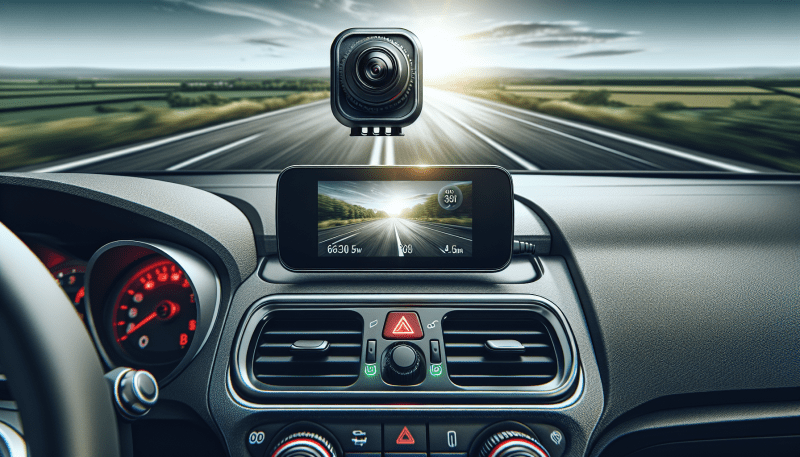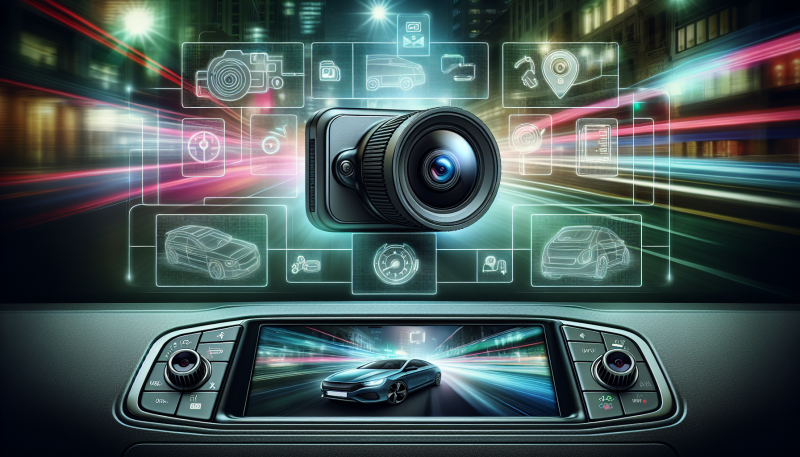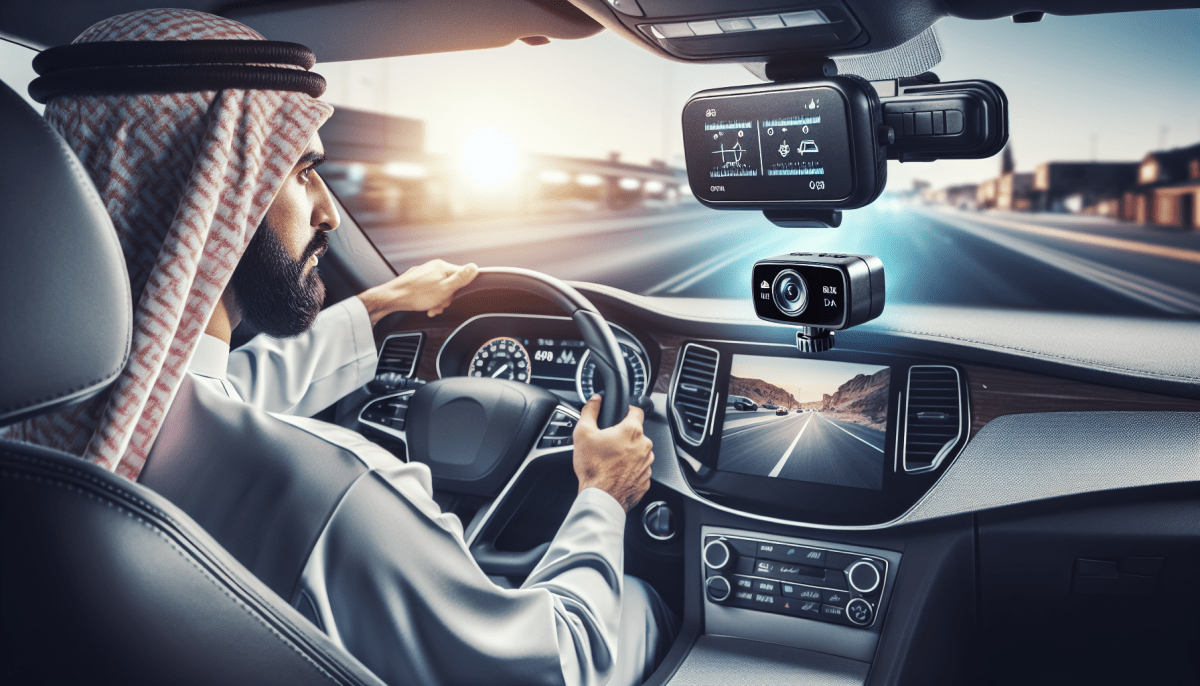
If you've ever struggled to back out of a parking spot or worried about unseen obstacles, a rear view camera is a game-changer. These cameras give you a clear view of what's behind you, making parking and reversing a breeze. With an extra set of eyes, you can spot potential hazards that might be out of your field of vision.
Peace of mind is another big reason to get a rear view camera. They come in handy when you have kids and pets around. You can quickly check behind your vehicle to ensure everyone is safe before you move. It's like having a little safety net that helps prevent accidents before they happen.
Many rear view cameras also come with additional features like guidelines to help you line up perfectly. Some even give you a bird’s-eye view of your surroundings. This can help you fit into tight spots you might normally avoid. With these features, you'll not only feel confident about backing up but also about tackling tough parking situations.
Installing a rear view camera is often simpler than you might think. There are options that work with your existing screen or ones that come with their own display. Plus, they’re pretty affordable these days, so you don’t have to break the bank to enjoy the benefits of better visibility.
Key Features to Look For
When shopping for a rear view camera, a few key features can really make a difference in your decision. Here’s what to look for to get the best out of your purchase.
Image Quality: Look for cameras that offer at least 720p resolution. A clear image helps you spot obstacles and makes parking a breeze. Night vision capability is also a big plus if you often park in low-light areas.
Wide Viewing Angle: A camera with a wide field of view captures more of what’s behind you. Aim for around 120 to 170 degrees, ensuring you see everything, even those tricky blind spots.
Durability: Since a rear view camera is exposed to the elements, choose one that’s weatherproof. Look for an IP rating of at least IP67 to ensure it can handle rain, dust, and temperature changes.
Easy Installation: Go for cameras that are simple to install. Models with wireless options can save you a ton of hassle and keep your car looking neat without messy wires.
How to Choose the Right Camera
Choosing the right camera can feel overwhelming, but it doesn’t have to be! Start by thinking about what you’ll use it for. Are you capturing family moments, or do you want to take professional-level shots? Knowing your goals helps narrow down your options.
Next, consider your budget. There are great cameras at every price point. You don’t have to break the bank to get a quality device. Look for models that offer good features without overspending. Sometimes, older models can save you money and still deliver amazing results.
Think about the features that matter most to you. Do you need something compact and portable, or do you want something with lots of lenses and manual settings? Look for user-friendly features like touchscreen interfaces and built-in stabilization systems. These can make all the difference when you’re trying to capture that perfect shot without a lot of fuss.
Don’t forget to check reviews. Hearing from other users can help you figure out if a camera lives up to its hype. Search for hands-on experiences and whether it met their needs. A little research can go a long way in picking the right camera for your adventures!
Installation Tips for Rear View Cameras
Installing a rear view camera can seem tricky, but it’s really not! With a bit of patience and the right tools, you can easily tackle the job. Here are some handy tips to keep in mind.
First off, pick the right spot for your camera. Usually, that’s right above your license plate or centered on the rear. Make sure it has a clear view of the area behind you—no obstructions! Once you’ve chosen a spot, clean the surface well to ensure a good stick if it’s a stick-on model.
Next, you’ll need to run the wires. Start by finding a good route from the camera to your monitor or display. If possible, tuck the wires under the vehicle’s trim for a neat look. Secure the cables with zip ties so they don’t dangle. If your camera requires connection to the reverse light, you’ll need to splice into those wires. Always double-check instructions for your specific model to avoid mix-ups.
Finally, after everything’s connected, test it out! Shift your vehicle into reverse and see if the camera activates and shows a clear image. Adjust the angle if needed so you can catch every angle behind you. Once you’re happy with the view, secure all wires and buttons. Your rear view camera is now ready to help you back up safely!